
Red fly agaric: history, species and properties
In recent years, trends in the treatment and prevention of diseases which are not based on pharmaceuticals but on those products that nature itself gives us have become very popular. One of them is red fly agaric.
Today we will talk with you about its properties and uses, and take a historical tour through the consumption practices of this amazing mushroom.
General characteristics
Red fly agaric is widespread in Europe, Asia, North and South America. In fact, it is found everywhere except Antarctica.
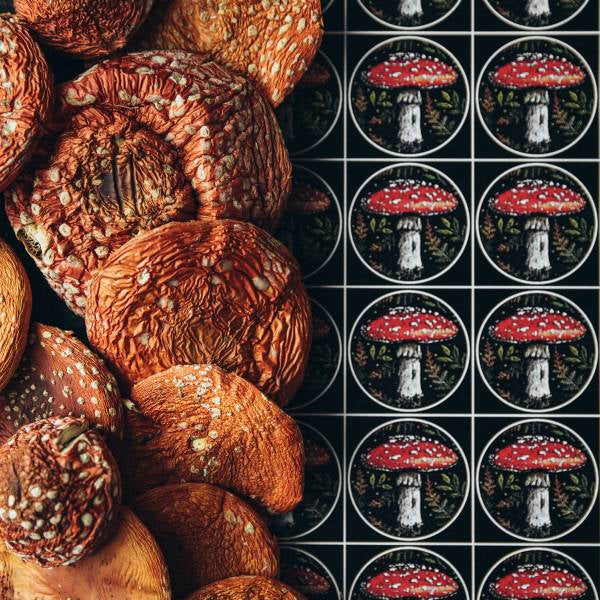
The cap of the mushroom has a spherical shape, and in adulthood becomes flat with a diameter of 5 to 20 cm. The color varies from orange to bright red (fading with age), and the surface is covered with white or slightly yellow specks (warts remaining from the mushroom's covering), which can be washed away by rain as the mushroom matures. Older mushrooms have clearly defined stripes along the edge of the cap. The gills are white, becoming somewhat yellow with age, thick, and with an uneven edge. The flesh of the mushroom is white, with a characteristic pleasant smell.
The stem of the mushroom is dense, cylindrical, white, 10-20 cm high, and 2-3.5 cm in diameter. At the base, it has a bulb-shaped thickening covered with white warts, as if scattered in a ring of flakes. The ring is soft, white in color, and sags with age.
In addition to red fly agaric, there are many other species, which, however, are less often used for the prevention and treatment of diseases - or not used at all. These include the king fly agaric, the panther cap, the false death cap (lemon), the porphyry (gray), the gray-pink, the cone-shaped, the bright yellow, and others.
Historical retrospective
Lithuania
The well-known historian and anthropologist Marija Gimbutas, from Lithuania, mentioned in her writings that in remote areas of Lithuania, red fly agaric infused in vodka was used for ritual rites during weddings. It is also mentioned that Lithuanians delivered dried red fly agaric to the northern countries of Europe for the Sami people, who used it in their shamanic rituals. The consumption of the mushroom by the population of Lithuania is the only documented evidence of such mysteries involving red fly agaric in the territories of Eastern Europe.
Siberia
As an entheogenic agent, red fly agaric was used by the indigenous peoples of Siberia. It was actively practiced by Paleo-Asiatic and Uralic-speaking ethnic groups, and to a lesser extent by Turkic and Tungusic peoples. The use of the mushroom was entirely the prerogative of shamans, who used it to achieve a state of trance. Cases of consuming the mushroom raw, dried, and even the urine of a person who had eaten it have been described. In this last, more unusual case, the person served as a kind of biological filter - psychoactive substances passed through in urine can act more strongly on the body, but without certain unwanted effects, such as increased sweating, limb spasms, involuntary twitching, and nervous tics.
Wealthy residents could buy red fly agaric from shamans. Shamans typically used older mushrooms, while hunters of the tribe were given caps from younger mushrooms.

Northern European countries
Many historical sources indicate that the warlike inhabitants of the north used special infusions that allowed them to reach a state of battle trance. This applies to berserkers, svinfylkings, and úlfhéðnar. There is a theory that they prepared a drink for this purpose, one of the ingredients of which was red fly agaric.
Japan
Red fly agaric is used only in some regions of the country, and as food. It is most widely used in Nagano Prefecture, where it is eaten fried, pickled, or salted.
Countries of North and South America
In this region of the world, red fly agaric was used quite actively. In South America, the mushroom was an important food source. Some researchers have compared its use to that of cassava, which was eaten by inhabitants of the tropics and also required preliminary detoxification. To do this, the mushroom was first steamed and then soaked in grape vinegar. In North America, a sauce was prepared from it and served with meat. Such a case is described in the works of the botanist F. Coville.
How the mushroom was used
Historical studies have described many ways of using the mushroom, among them:
- Raw.
- Baked.
- Fried.
- Dried.
- As the meat of reindeer that had eaten large amounts of fly agaric.
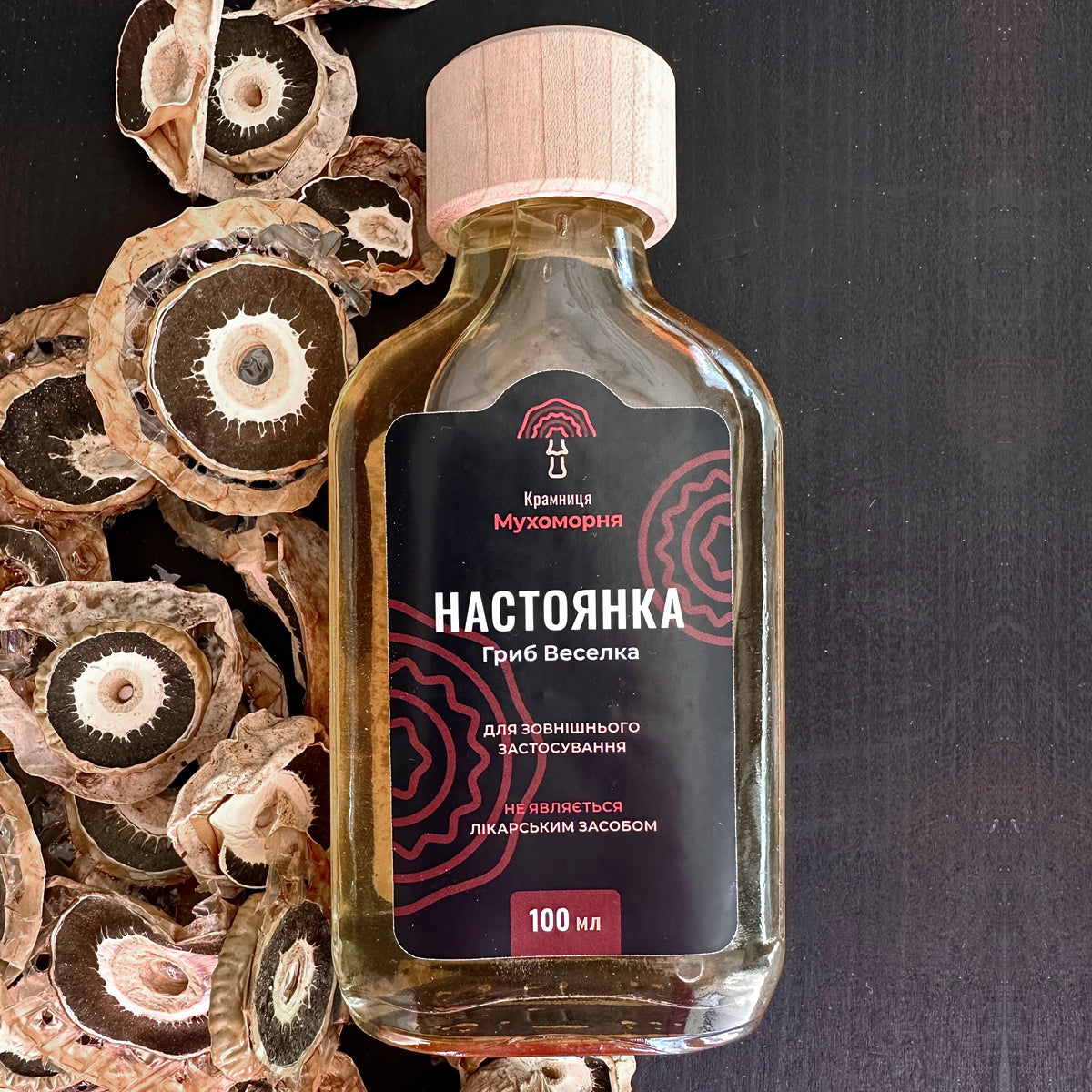
- As tinctures.
- As decoctions.
In the writings of researchers and historians, three stages of fly agaric intoxication are described, which occurred during ritual rites:
- Excitement, improved mood, unprovoked joy, and increased physical strength.
- Hallucinogenic manifestations: reality takes on new dimensions, people see and communicate with spirits, hear voices, and perceive new smells. At the same time, they react normally to familiar stimuli and can communicate with the people around them and maintain a conversation.
- The person fully enters an altered state, loses contact with reality, and "moves" into the world of spirits. This state is accompanied by high physical activity. At the end of the third stage, a heavy, narcotic sleep sets in.
Properties of red fly agaric
It is clear that such fascination with the subject of our material is no accident - it is explained by its useful properties. Let's discuss them in more detail.
The main psychoactive substance in the mushroom is the alkaloid muscimol. It acts as a nootropic as well as a psychocorrector. Therefore, one notable feature of using amanita is that, for mild to moderate psychological issues, there is no need for parallel work with a psychiatrist.
Through regular use of the mushroom, you can expect improved sleep and work capacity, increased energy, and the leveling out of borderline states. Muscimol is also a competitor of ethanol for the brain's GABA receptors, meaning it can naturally reduce cravings for alcoholic beverages on a physical level.
Externally, amanita muscaria mushrooms are used in the form of ointments or tinctures for quick healing of wounds, burns, and frostbite, as well as for treating certain skin conditions, including eczema. These remedies can also help with problems of the musculoskeletal system - pain in the joints, muscles, lower back, and bones - as well as with salt deposits.
A modern view of the use of red amanita
Of course, today no one uses the ancient practices, most of which are tied to shamanic rituals and entering an altered state of consciousness. However, the growing body of research and data on the practical use of red amanita has led to the emergence of the best way to take advantage of its healing properties: microdosing.
Using the mushroom in microdoses allows you to benefit from its positive effects while eliminating the potential negative effects associated with larger doses. In addition, red fly agaric is not addictive and does not cause a "withdrawal syndrome."
We offer ready-made products in our Muhomornya online store. You can buy red fly agaric in encapsulated or powdered form, or as whole caps. We also carry tincture, extract, and ointment. You can purchase the product yourself by adding it to the cart, then completing and paying for the order. Within a day of receiving payment, we will send you a parcel with your healing mushroom.