
The biochemistry of the amanita mushroom makes it so special
Red fly agaric grows almost all over the world. The only continent where this mushroom is not found is Antarctica. The largest clusters of red fly agaric are registered in the alpine mountain belt (in particular, in the mountains of Central America and the Mediterranean), as well as in the temperate and boreal belt of the Northern Hemisphere. This mushroom grows equally densely in both deciduous and coniferous forests of the regions mentioned.
Biochemistry of the red amanita mushroom: physiological aspects
Red fly agaric is rich in useful components of biological origin. The main substances in the chemical composition of this mushroom are polysaccharides, amino acids, ergosterol, triterpenoid saponins, and acids of organic origin. Collectively, these substances cause several types of effects on the human body. The main effects are protective, physiological, and normalizing. Along with other mushrooms, the fruiting bodies of amanita can serve as a dietary supplement (although this is rarely practiced).
The main components of red amanita that have a beneficial effect on the human body are polysaccharides, and more precisely, beta-glucans. Active study of these substances began in the 1980s. Based on the results of numerous studies, modern biologists include beta-glucans among the main medicinal agents found in fungi. The peculiarity and, at the same time, the advantage of these components is that they stimulate the immune system. In other words, beta-glucans help the human body respond to attacks by pathogenic microflora and prevent infection by bacteria, viruses, and protozoa. In addition to their immunostimulating function, beta-glucans also have anticancer activity.
Upon reaching the alimentary canal, beta-glucans are broken down by the intestine's physiological microflora, thereby exhibiting their activity as prebiotics.
In addition to these components, red fly agaric is rich in fucomannogalactan, which is known for its beneficial effects on the human body. This component reduces pain, prevents the development of inflammatory processes, removes toxins from the blood and tissues, and stops the growth and reproduction of atypical cells.
Muscarufin is a red pigment contained in the skin of the mushroom cap, which has antifungal and antibacterial properties. In terms of its activity, it is not inferior to pharmacological antibiotics. Muscarufin is equally effective both when applied externally and when taken internally.
Ergosterol is also present in red fly agaric. This substance is a precursor of vitamin D2. The component participates in the formation of young skin cells, hair, teeth, and bones. The risk of developing conditions such as psoriasis, for example, depends on the body's vitamin D levels. This component also increases the effectiveness of antioxidant and anticancer therapy and protects against the appearance of signs of multiple sclerosis.
Despite the fact that vitamin D3, synthesized by the human body, has a longer-lasting effect than the vitamin D2 found in amanita, this mushroom component is also important for health. Its beneficial effect on the body is evident.
In addition to the components listed, red fly agaric contains dietary fibers that are partially or completely broken down by natural intestinal microflora. This does not apply to chitin, however: it has been established that it is not fully broken down even under the influence of bacteria.
The dietary fibers of red amanita are classified into two groups: water-soluble (glucans) and water-insoluble. Substances in the first category have the properties of prebiotics. Once in the body, they reach the alimentary canal, are processed by intestinal microflora, and are transformed into gases and other physiological end products of metabolism. Insoluble dietary fibers facilitate bowel movements.
Red amanita also contains a high concentration of micro- and macroelements (from potassium and zinc to phosphorus and selenium). Thanks to sufficient levels of these substances in the body, all biological processes occur without disruption.
Toxicity of the amanita mushroom, edible qualities
The main components of red fly agaric are ibotenic acid and muscimol. For these substances to provoke the development of mycoatropine syndrome, they must enter an adult's body in the following amounts: muscimol - at least 6 mg, ibotenic acid - at least 30 mg. This volume of components is contained in one large cap of a fresh mushroom.
The level of muscimol and ibotenic acid content in red amanita is affected by the region where the mushroom grows, as well as by seasonal factors. For example, autumn red fly agaric mushrooms contain about ten times less muscimol and ibotenic acid than summer or spring ones. It has been established that the highest alkaloid content is found in amanita mushrooms growing in Siberia.
The dose considered fatal for an adult is contained in 20 fresh red amanita mushrooms. However, even this figure is considered conditional. The only recorded case of a fatal outcome after eating red amanita involved a child in the USA, back in the 19th century. According to official information from the North American Mycological Association, not a single death from eating red amanita was recorded during the entire 20th century. This outcome was also influenced by advances in medicine.
The fact that some publications describe red amanita as a "deadly" mushroom is a misconception - its toxicity is exaggerated.
Muscimol and ibotenic acid are released into the water during boiling. By draining it, you can quickly reduce the toxicity of amanita muscaria mushroom. In other words, to make this mushroom completely edible, it needs to be boiled several times (at least twice), with the water drained each time, or it can be dried for a long period and then soaked and boiled. This converts ibotenic acid into muscimol, meaning consuming the mushroom will then bring only health benefits.
Medicinal properties of fly agaric
The popularity of red fly agaric in Europe is explained by its powerful healing properties. For many centuries, this mushroom has been used not only as a raw material for making fly repellent. Red amanita concentrates are also effective for making anti-inflammatory compresses. They promote recovery from diseases of the digestive and nervous systems. Compresses made with a decoction or infusion of red fly agaric also help with recovery from musculoskeletal injuries, accelerate wound healing, and have a positive effect on tuberculosis and neoplasms.
Through laboratory examinations, scientists have confirmed the mushroom's beneficial chemical composition. The skin of its cap contains muscarufin - a bright orange substance whose properties resemble those of antibiotics. It has been established that muscarufin can slow the growth and reproduction of atypical (cancer) cells.
The flesh of this mushroom has no less valuable properties. In the writings of Paracelsus, dating back to the 16th century, references can be found to the results of using red fly agaric. According to the physician's notes, using this mushroom improves the condition of patients with diabetes and also serves as an effective preventive measure against the development of tuberculosis.
In past centuries, red amanita mushrooms were used to make preparations for many diseases, the main ones being: cerebral sclerosis, eczema, vascular spasms, and angina. Preparations made from this mushroom can also be useful in the treatment of epilepsy and chorea, and as a supportive measure in the pharmacological treatment of cancer. However, due to the toxicity of amanita, preparations made from it are not used in all countries. Nevertheless, medicines containing components of this mushroom are legally used in the USA, Canada, Denmark, the United Kingdom, the Netherlands, Norway, Italy, and Spain. Medicines derived from red amanita are also used in Japan, New Zealand, and Finland.
Microdosing with red fly agaric
The most popular way to experience the healing properties of red amanita today is microdosing. This is a convenient way to undergo a course of preventive and curative action produced by the mushroom's components. Dried caps are used for this, either whole or ground. The most convenient option is taking capsules, in which the dose is clearly measured. Microdoses of red fly agaric range from 0.2 to 2 g per day. With this approach, you can feel a positive effect on the body and an improvement in well-being. The extent of these effects and their number depend on the characteristics of the body and the expectations placed on their use.

Anyone can try microdosing. Precautions are minimal - pregnancy, breastfeeding, individual intolerance to mushroom components, and a family history of schizophrenia.
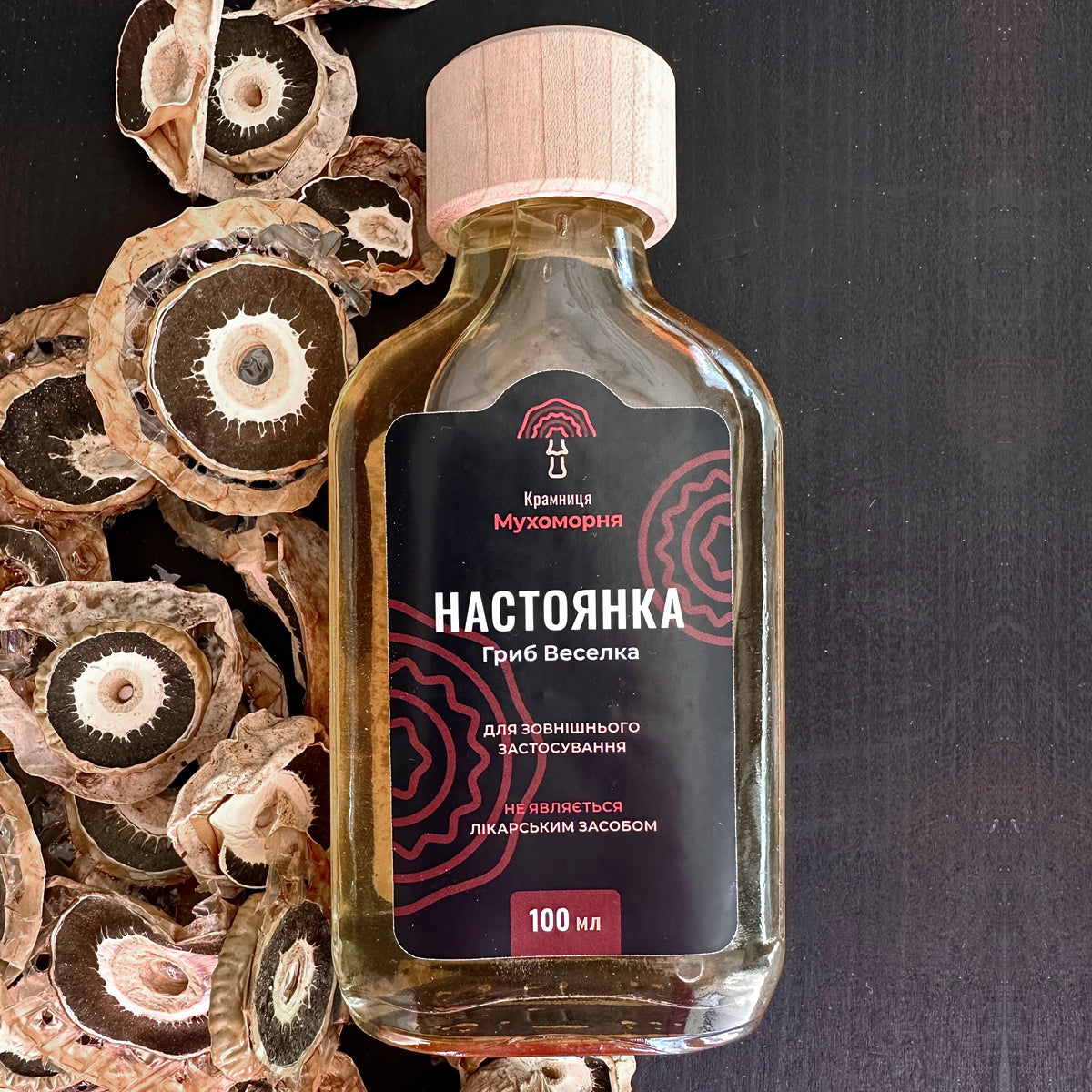
You can buy red amanita powder, capsules, or whole caps in our online store "Muhomornya." Choose the product you like and place your order. We will be glad if you experience for yourself the beneficial properties of this amazing mushroom.